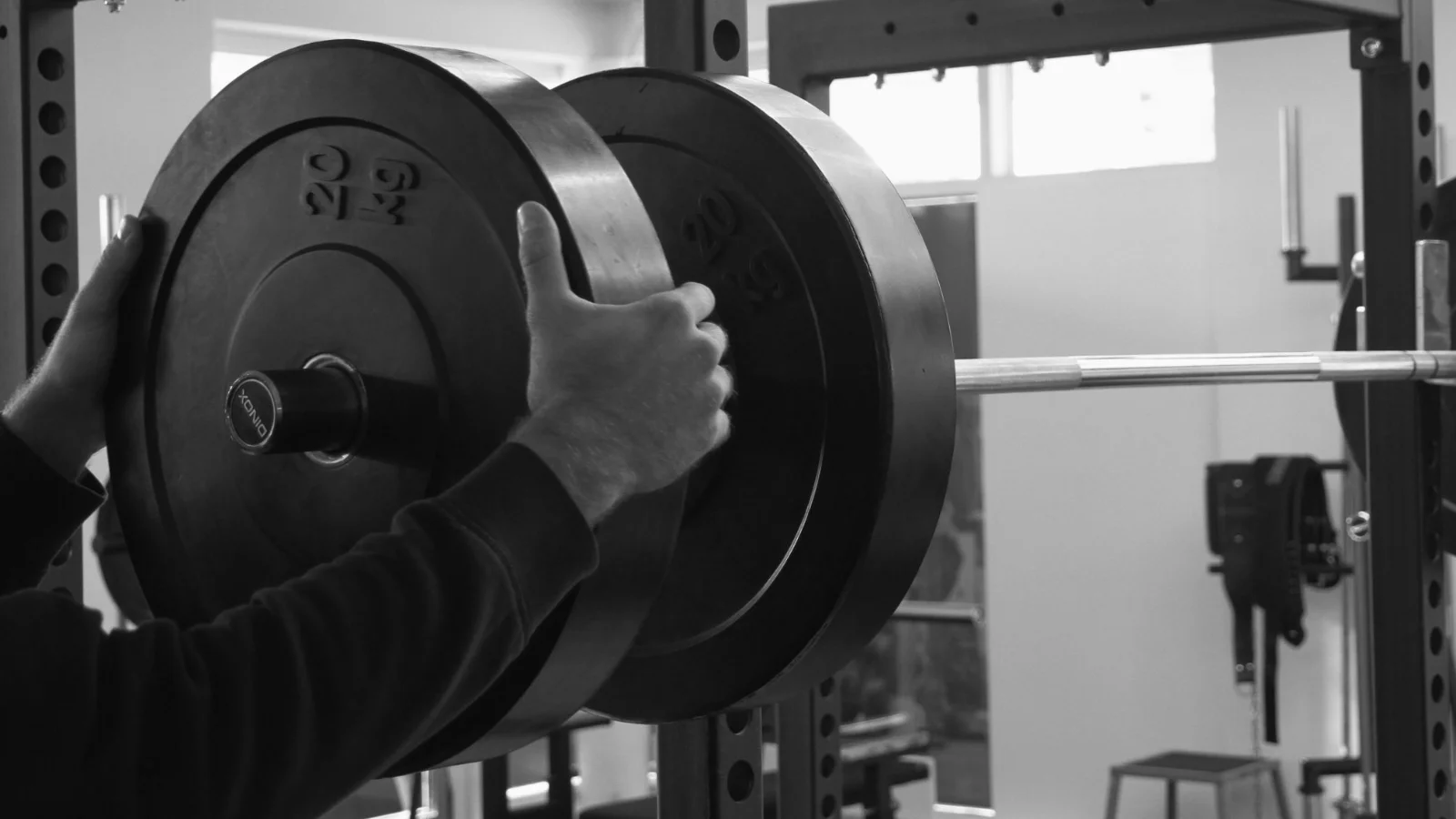
Every program you've ever followed, every coach who's ever pushed you, every PR you've ever hit - they all trace back to one principle. Progressive overload isn't a technique. It's the reason training works at all.
What Is Progressive Overload?
Progressive overload is the gradual increase of stress placed on the body during exercise. Your muscles, tendons, and nervous system adapt to demands placed on them - and they only adapt when that demand exceeds what they're already comfortable handling.
That's the whole game. Do more than you did before. Recover. Repeat. The specifics - how much more, how often, which variables to manipulate - are where the nuance lives.
- Weight on the bar (load)
- Number of reps or sets (volume)
- Shorter rest periods (density)
- Greater range of motion (ROM)
- Better form under the same load (technique quality)
- Slower tempo, more time under tension
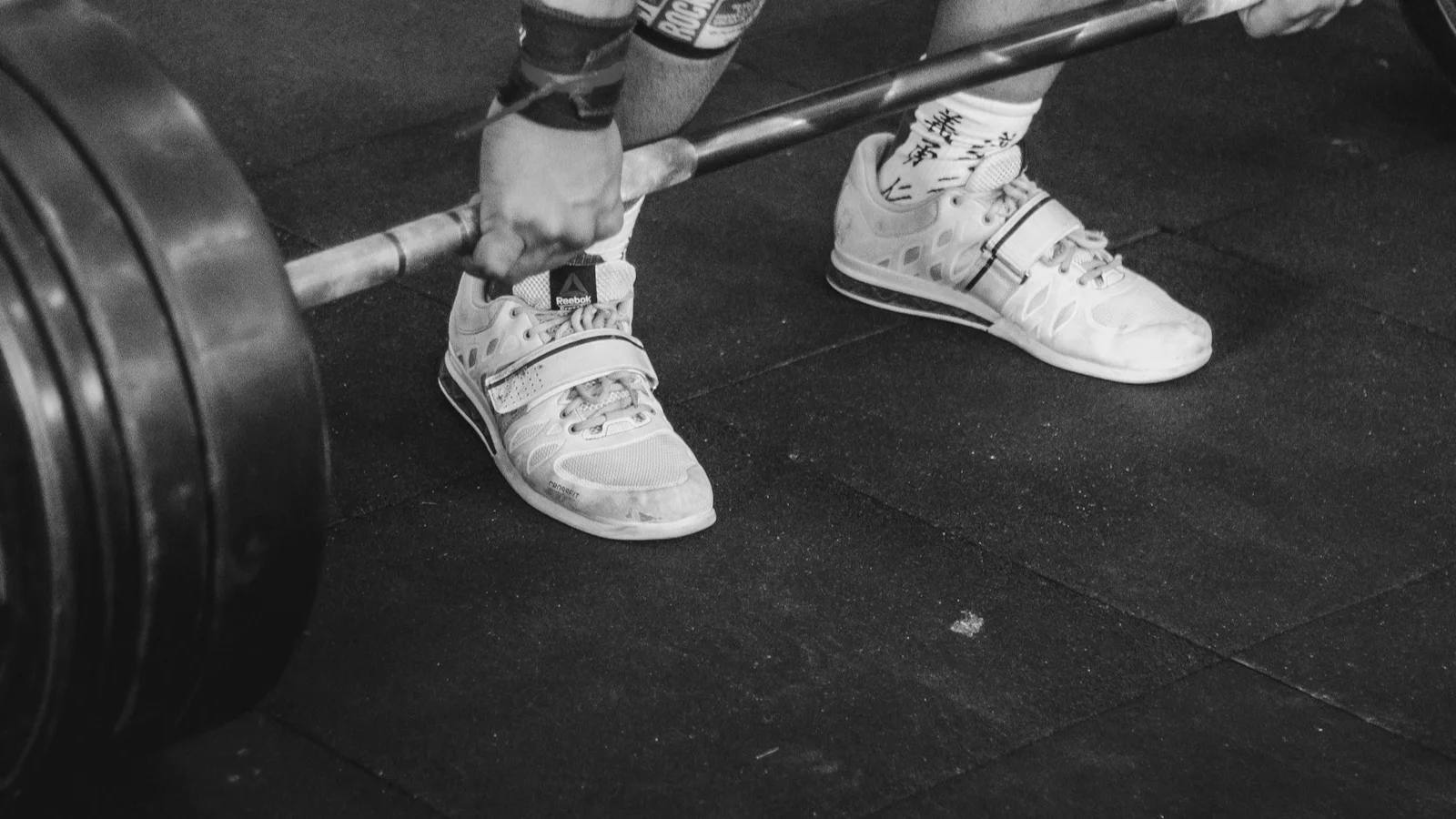
Why It Works - and Why Most People Get It Wrong
The body has a powerful bias toward homeostasis. It wants to do the minimum necessary to survive. When you lift, you're essentially sending a signal: the current level of muscle isn't enough. Given adequate nutrition and recovery, the body responds by building more.
Most people stall not because they've hit a genetic ceiling, but because they've stopped applying progressive overload. They do the same weight, same reps, same routine - week after week. That's maintenance, not progress.
Comfort is the enemy of adaptation. If your last set feels the same as it did three months ago, you haven't gotten stronger - you've gotten comfortable.
- Dr. Mike Israetel, Renaissance Periodization
How to Apply It in Practice
The simplest model for beginners: add weight every single session. 5 lbs on upper body, 10 lbs on lower body. When you can't add weight, add a rep. When you can't add a rep, add a set. This is linear progression - and it works until it doesn't.
Once linear progress stalls, you move to weekly or monthly cycles. This is where periodization comes in - planning waves of volume and intensity that allow recovery while still trending upward over time.
Week 1: Squat 3×5 @ 80kg → Week 2: 3×5 @ 82.5kg → Week 3: 3×5 @ 85kg. When you fail to hit all reps at 85kg, you've found your limit - and now you have a target to chase.
The Role of Tracking
You cannot apply progressive overload without data. Memory is unreliable - especially at the end of a hard set. That's why logging isn't optional. Without knowing exactly what you did last session, you're guessing. And guessing leads to either too little (no adaptation) or too much (injury).
This is why BULQ was built. Not to gamify your training or add social features. Just to make sure you always know: what you lifted, how it compared to last time, and where your next PR is.